A bathroom is one of the most frequently used spaces in any home, and when it isn’t functioning well, the inconvenience is felt every single day. Issues like cramped layouts, poor lighting, weak water pressure, or outdated fixtures can make even a beautiful bathroom frustrating to use. While aesthetics often get attention during renovations, functionality is what determines how well the space actually serves your daily needs.
Upgrading a bathroom for better functionality means improving how the space flows, how efficiently it uses water, how comfortable it feels, and how easily it can be maintained. With thoughtful planning and the right improvements, even a small bathroom can become significantly more practical and enjoyable to use.
This guide explores how to identify problems, plan improvements, and implement upgrades that make your bathroom work better for your lifestyle.
1. Identifying What Is Not Working in Your Bathroom
Before making any upgrades, it is important to understand exactly what is causing frustration in your current bathroom. Many homeowners focus on visual updates without addressing underlying functional problems, which leads to disappointing results after a remodel.
A professional evaluation often begins with a review of layout efficiency and system performance. In many cases, design and installation of bathroom remodels are recommended when multiple functional issues are present, as they allow for a complete rethinking of space usage rather than surface-level changes.
Common functional issues include:
- Tight or inefficient layout that restricts movement
- Lack of storage for toiletries and essentials
- Poor lighting makes daily tasks difficult
- Inconsistent water temperature or pressure
- Slow drainage or recurring clogs
- Outdated fixtures that reduce usability
How to evaluate your bathroom effectively:
- Observe how the space is used during daily routines
- Identify bottlenecks around sinks, showers, and toilets
- Note where clutter tends to accumulate
- Test water flow and drainage performance
- Assess ventilation and moisture buildup issues
Many homeowners work with a bathroom remodeler at this stage to help identify structural limitations and opportunities for improvement that may not be obvious without professional insight.
2. Designing a More Functional Bathroom Layout
Once problem areas are identified, the next step is improving the layout. Functionality often depends more on spatial planning than on the fixtures themselves. A well-designed layout can make even a small bathroom feel more open and efficient.
Working with local bathroom remodelers can be especially helpful because they understand regional building codes, space limitations, and common home designs in the area.
Key layout improvement strategies:
- Separate wet zones (shower/tub) from dry zones (vanity/storage)
- Ensure clear walking paths between fixtures
- Position the sink near natural light when possible
- Maximize corner and vertical storage opportunities
- Maintain proper clearance around toilets and doors
Practical planning tips:
- Avoid overcrowding fixtures in one area
- Consider pocket or sliding doors to save space
- Use wall-mounted storage to free floor area
- Align plumbing fixtures to reduce installation complexity
- Plan lighting placement based on task zones
A remodeling contractor can help translate layout ideas into buildable plans while ensuring structural and plumbing feasibility before construction begins.
3. Choosing the Right Professionals for the Job

Bathroom upgrades require coordination between multiple trades, including design, plumbing, and construction. Choosing the right professionals ensures that the project is completed efficiently and safely.
A qualified bathroom remodeler brings specialized experience in bathroom-specific design challenges, such as moisture control, space optimization, and fixture placement.
What to look for in professionals:
- Proven experience with bathroom renovations
- Strong portfolio of completed projects
- Proper licensing and insurance coverage
- Clear communication and project timelines
- Transparent pricing and scope of work
Questions to ask before hiring:
- How do you handle unexpected plumbing or structural issues?
- What is your estimated timeline for completion?
- Do you provide design assistance or only construction?
- How do you coordinate with other trades?
A plumbing contractor is also essential when upgrades involve changes to pipes, drains, or water supply systems. Their expertise ensures that plumbing modifications are safe, efficient, and compliant with code requirements.
4. Improving Plumbing Performance for Daily Comfort
A major part of bathroom functionality depends on plumbing performance. Weak water pressure, slow drainage, or inconsistent temperature control can make even a newly remodeled bathroom frustrating to use.
Professional plumbing services can diagnose and resolve underlying issues that affect performance, from minor fixture adjustments to full system upgrades.
Common plumbing improvements include:
- Replacing outdated faucets and showerheads
- Clearing or upgrading slow drains
- Balancing water pressure across fixtures
- Installing water-efficient fixtures
- Repairing leaks and faulty valves
When to call a professional plumber:
- Persistent low water pressure
- Frequent drain clogs
- Unexplained water temperature changes
- Visible leaks under sinks or behind walls
A skilled plumber can also identify hidden issues that may not be visible but still impact performance, such as partial pipe blockages or aging connections. By using specialized tools and techniques, they can detect these problems early on, preventing more extensive damage and costly repairs in the future. Regular inspections and maintenance can help ensure that your plumbing system operates efficiently and effectively, ultimately saving you time and money.
5. Upgrading Internal Plumbing Systems for Long-Term Reliability

Sometimes surface-level fixes are not enough, especially in older homes where plumbing systems may be outdated, undersized, or deteriorating from years of use. In these situations, recurring issues are often a symptom of a deeper systemic problem rather than isolated failures. Patch repairs may temporarily resolve leaks or pressure issues, but they do not address underlying pipe corrosion, mineral buildup, or structural weaknesses that continue to worsen over time. As a result, homeowners may find themselves repeatedly calling for repairs without achieving lasting improvement.
A plumbing company can assess whether partial or full system upgrades are required and recommend solutions based on the condition of existing pipes and fixtures. This evaluation typically includes inspecting visible plumbing, testing water pressure consistency, checking for signs of hidden leaks, and evaluating pipe material condition. Based on these findings, professionals can determine whether targeted repairs are sufficient or if a broader upgrade is necessary to restore reliable performance throughout the home.
When deeper upgrades are needed:
- Frequent leaks in multiple areas: When leaks appear in different locations over time, it often indicates widespread pipe deterioration rather than isolated damage.
- Corroded or aging pipes: Older materials can weaken internally, restricting flow and increasing the likelihood of sudden failures.
- Poor water quality or discoloration: Rust, sediment, or mineral buildup in water can signal internal pipe degradation.
- Inconsistent pressure throughout the home: Uneven water pressure between fixtures may indicate blockages, narrowing pipes, or system inefficiencies.
- Frequent need for repairs: Repeated service calls suggest that temporary fixes are no longer cost-effective compared to a long-term solution.
Benefits of system upgrades:
- Improved water flow consistency: New or updated systems allow for more stable and reliable water distribution across all fixtures.
- Reduced risk of future leaks: Replacing aging infrastructure helps eliminate weak points that commonly fail under pressure.
- Better compatibility with modern fixtures: Updated plumbing systems support efficient, high-performance fixtures without strain or performance loss.
- Increased home value: A modern plumbing system is a strong selling point and reduces concerns for future buyers.
- Lower long-term maintenance costs: Investing in system improvements reduces the frequency and cost of ongoing repairs.
In some cases, repiping may be recommended to replace outdated or damaged piping systems entirely. This involves installing new piping throughout part or all of the home to ensure consistent water delivery and eliminate chronic issues caused by aging infrastructure. This solution is especially common in older homes where original materials such as galvanized steel or outdated copper systems have reached the end of their functional lifespan and can no longer provide reliable performance.
6. Selecting Fixtures and Materials That Improve Daily Use
Fixtures and materials play a major role in how functional a bathroom feels, often influencing daily convenience more than layout or décor choices. The right selections can improve cleaning ease, water efficiency, long-term durability, and overall comfort. Because bathrooms are high-moisture, high-traffic environments, even small differences in material quality or fixture design can significantly affect maintenance needs and everyday usability over time.
A plumbing supply service can help homeowners explore modern fixture options that balance performance, durability, and style. These providers typically offer a wide range of updated products designed to improve efficiency and reduce long-term wear, including advanced water-saving technologies and materials engineered specifically for wet environments. This guidance can be especially helpful when trying to match fixtures with existing plumbing systems or when upgrading multiple components at once for better overall performance.
Key fixture selection tips:
- Choose water-efficient toilets and faucets: These reduce daily water usage while still maintaining strong performance, helping lower utility costs without sacrificing comfort.
- Opt for shower systems with adjustable pressure settings: Adjustable systems allow users to customize water flow for comfort, relaxation, or efficient rinsing, depending on preference.
- Select easy-to-clean surfaces to reduce maintenance time: Smooth, non-porous finishes minimize buildup of soap scum, grime, and hard water stains, making routine cleaning faster and easier.
- Prioritize durable materials resistant to moisture damage: Materials that withstand constant humidity and temperature changes help prevent warping, cracking, and long-term deterioration.
- Consider ergonomic designs for comfort and accessibility: Fixtures designed with usability in mind improve ease of operation for all household members, including children and older adults.
Material considerations:
- Non-slip flooring for safety: Textured or treated flooring surfaces reduce the risk of slipping in wet conditions, especially near showers and tubs.
- Moisture-resistant wall finishes: Properly sealed or water-resistant materials help prevent mold growth and structural damage in high-humidity areas.
- Stain-resistant countertops: Durable surfaces resist discoloration from toiletries, water exposure, and daily use, maintaining a cleaner appearance over time.
- Anti-fog mirrors for improved usability.: Specialized coatings or heated mirror options help maintain visibility even after hot showers.
Thoughtful fixture selection ensures the bathroom is not only visually appealing but also practical for everyday use by improving efficiency, reducing maintenance demands, and enhancing overall comfort in daily routines.
7. Avoiding Common Bathroom Upgrade Mistakes
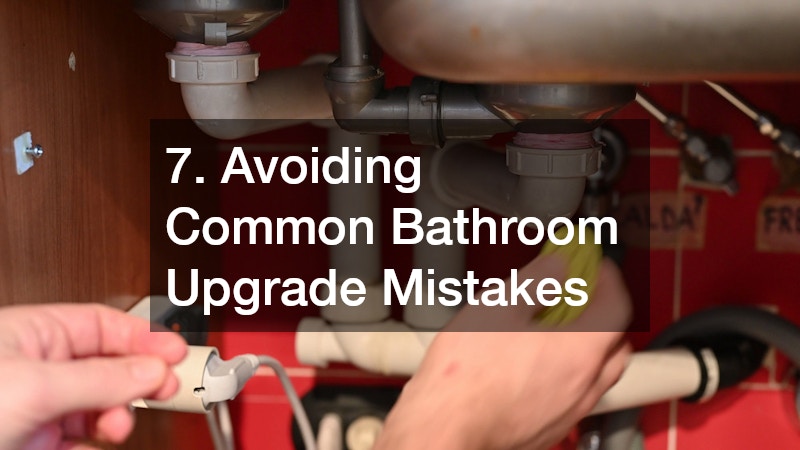
Many bathroom upgrades fail to deliver expected improvements because of avoidable planning mistakes. These issues often arise when homeowners focus too heavily on visual inspiration or quick fixes without fully considering how the space functions day to day. A bathroom is a high-use environment with constant exposure to moisture, temperature changes, and repeated mechanical use, so even small planning oversights can significantly impact comfort and durability over time. Understanding these pitfalls helps ensure a smoother and more successful renovation process.
Common mistakes include:
- Prioritizing style over usability: A visually appealing design may look great in photos but fail in practice if it doesn’t support real-world movement, accessibility, or routine tasks like cleaning and storage access.
- Ignoring ventilation and moisture control: Without proper airflow, excess humidity can lead to mold growth, peeling paint, fogged mirrors, and long-term damage to walls and fixtures.
- Underestimating storage needs
Many homeowners assume minimal storage is sufficient, only to discover later that daily essentials quickly overwhelm available space. - Poor lighting placement: Inadequate or incorrectly positioned lighting can make grooming tasks difficult and reduce the overall functionality of the space.
- Choosing fixtures without considering water pressure compatibility: Even high-quality fixtures may perform poorly if they are not matched to the home’s existing water pressure levels or plumbing capacity.
How to avoid these issues:
- Focus on how the space will be used daily: Consider real routines such as morning preparation, cleaning habits, and shared household usage to guide design decisions.
- Plan lighting for both task and ambient needs
Combine focused lighting around mirrors and sinks with softer overall lighting to improve visibility and comfort. - Include adequate ventilation systems: Proper exhaust fans or airflow solutions help manage humidity and protect surfaces from long-term damage.
- Design storage based on actual household usage: Evaluate what items need to be stored regularly and ensure there is an accessible, organized space for them.
- Test fixture compatibility before installation: Confirm that selected fixtures align with plumbing conditions, water pressure levels, and system capacity to avoid performance issues.
Careful planning and professional guidance help prevent costly changes after construction begins by ensuring that every design decision supports both functionality and long-term performance rather than appearance alone.
Conclusion
Upgrading a bathroom for better functionality is about more than replacing old fixtures or updating finishes. It requires thoughtful planning, smart layout decisions, reliable plumbing performance, and carefully chosen materials that support everyday use.
By focusing on efficiency, comfort, and long-term reliability, homeowners can transform even outdated bathrooms into highly functional spaces that better support daily routines and improve overall home value.