
The concept of home modernization has shifted significantly in recent years. While interior upgrades like open-concept kitchens or smart lighting often take center stage, the true efficiency of a home begins at its highest point. A roof is not merely a lid for a structure; it is a complex system designed to manage thermal energy, deflect moisture, and protect the structural integrity of every room beneath it. When you approach a renovation of this scale, the goal is to move away from reactive repairs and toward a proactive, high-performance exterior that reduces long-term costs.
Evaluating the Foundation of the Exterior System
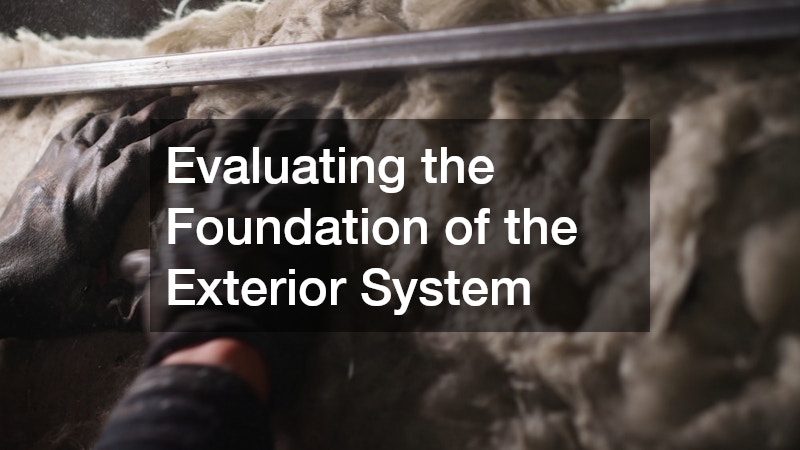
Before any physical work begins, a thorough assessment of the existing infrastructure is required. Modern efficiency is built on a solid foundation, and placing new materials over a failing substrate is a recipe for future disaster. You must look beyond the surface level of the shingles to understand how the home is breathing and how heat is moving through the attic space.
Homeowners should start by contacting local insulation companies to perform a thermal audit. These specialists use infrared technology to see where heat is escaping during the winter or infiltrating during the summer. If your attic lacks the proper R-value, even the most expensive roofing material will fail to provide the energy savings you expect. This step ensures that the environment directly beneath the roof deck is stabilized before any external changes are made.
Once the thermal layer is understood, it is time to have a professional physical inspection. Qualified roofers can climb onto the surface to check for soft spots in the plywood, rusted flashing around chimneys, and signs of pest intrusion. Their trained eyes can spot the difference between cosmetic wear and structural fatigue that might require a full deck replacement. Getting an honest appraisal from a contractor at this stage prevents expensive change orders once the project is underway.
Selecting Durable and Reflective Roofing Materials
The choice of material is perhaps the most significant decision in the modernization process. Traditional asphalt shingles are popular for their low initial cost, but they often lack the longevity and environmental benefits of more advanced options. Modern roofing materials are designed to be “cool,” meaning they reflect more sunlight and absorb less heat than standard materials.
Many homeowners are now choosing to install a metal roof because of its incredible lifespan and recyclability. These systems are often made from a high percentage of recycled content and can be fully recycled again at the end of their life, which is usually fifty years or more. Beyond the environmental benefits, these surfaces shed snow and rain with ease, reducing the weight load on the home’s frame during heavy storms.
In the broad category of residential roofing, there has been a surge in the development of synthetic composites that mimic the look of slate or wood shakes. These materials provide the high-end aesthetic of natural products without the extreme weight or the susceptibility to rot and cracking. Choosing a high-performance material ensures that the modernization effort is a “once-in-a-lifetime” event rather than a recurring decade-long expense.
Planning for a Clean and Organized Workspace
Large-scale exterior renovations generate an incredible amount of waste. A standard roof tear-off can produce several tons of debris, including old shingles, underlayment, and rusted nails. Managing this waste efficiently is crucial for the safety of the residents and the protection of the surrounding landscape.
To keep the project moving smoothly, you should arrange for a residential dumpster service to be present on-site before the first shingle is pulled. Having a dedicated vessel for waste prevents old materials from being piled on the lawn, which can suffocate the grass and leave behind dangerous, sharp objects. A well-placed container allows the crew to move materials directly from the roof to the bin, maintaining a professional and tidy job site.
Furthermore, efficient waste management is about more than just convenience. It allows for the sorting of materials if your local municipality has recycling programs for asphalt or metal. By coordinating the arrival and removal of the container, you ensure that the renovation does not become a logistical nightmare for your neighbors or a hazard for your vehicles.
Advanced Drainage and Water Management
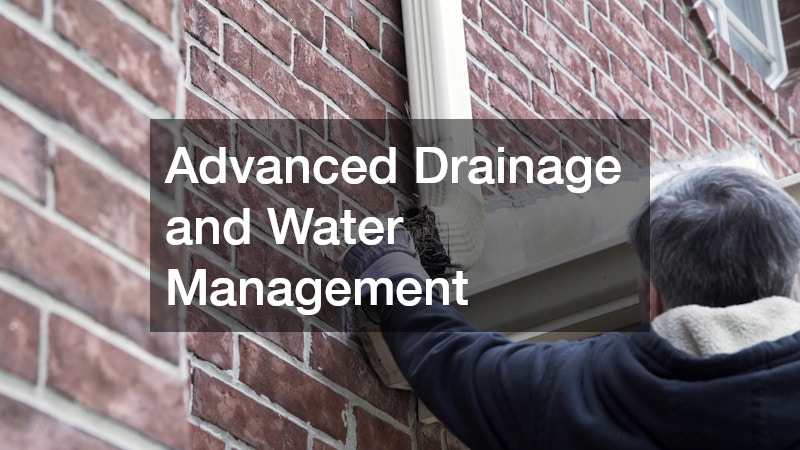
A roof is only as good as its ability to move water away from the house. Modernization must include an overhaul of the gutter and downspout system to ensure that the foundation remains dry. Water that pools at the base of a home can cause soil erosion, basement flooding, and even structural shifts over time.
The most effective upgrade in this department is the installation of a seamless gutter system. Unlike traditional sectional gutters found at hardware stores, these are custom-fabricated on-site to match the exact dimensions of your roofline. Because there are no seams along the lengths of the runs, the primary failure points where leaks and rust usually begin are eliminated.
For those who prioritize both durability and architectural beauty, a copper gutter system represents the pinnacle of drainage technology. While the initial cost is higher than that of aluminum, copper does not rust and develops a beautiful patina over time that protects the metal from the elements. These systems can last for nearly a century if installed correctly, making them a highly efficient choice for a permanent home.
Ensuring Long-Term Performance Through Upkeep
Even the most technologically advanced systems require a baseline of maintenance to function at their peak. Modernization is not synonymous with “maintenance-free,” but rather “maintenance-efficient.” By setting up a schedule for professional care, you can catch minor issues before they escalate into major failures.
It is highly recommended to hire professional gutter cleaners at least twice a year, particularly after the autumn leaves have fallen. Clogged gutters lead to water backing up under the roof tiles, which can cause the wooden fascia boards to rot and eventually lead to interior leaks. A clean system ensures that the investment you made in high-quality materials continues to protect the home as intended.
Failure to maintain the exterior often results in the need for an emergency water damage service to address flooded basements or ruined ceilings. These reactive measures are always more expensive and stressful than preventative care. By integrating regular inspections into your home management routine, you extend the life of your new roof and gutters significantly.
Maximizing Energy Production and Efficiency
The final step in a truly modern roof is transitioning it from a passive protector to an active energy producer. As the world moves toward electrification, the roof becomes the most valuable real estate on your property for reducing utility dependence.
A growing number of homeowners choose to buy solar panels during their roofing renovation. Installing these systems at the same time as the roof allows for a more integrated look and ensures that the mounting brackets are flashed into the new roof properly. This “solar-ready” approach means you won’t have to worry about removing and reinstalling panels ten years down the line to fix a leak underneath them.
- Benefits of integrated solar systems:
- Reduced monthly electricity expenditures.
- Increased total property value.
- Access to federal and state tax incentives.
- Protection of the roofing material from UV degradation.
- Enhanced energy independence during grid outages.
Technical Considerations for Modern Projects
When diving into the specifics of an exterior overhaul, several technical details can make or break the efficiency of the project. It is not just about the big-ticket items, but the small components that tie the system together.
- Ventilation: Ensure your intake vents at the soffits match the exhaust vents at the ridge.
- Underlayment: Use synthetic, breathable underlayment instead of old-fashioned felt paper.
- Ice and Water Shields: Install these in all valleys and around penetrations to prevent leaks from wind-driven rain.
- Fasteners: Insist on stainless steel or high-quality galvanized nails to prevent rust streaks.
- Flashing: Replace all lead or plastic flashing with durable metal options that match your new roof.
The Role of Professional Expertise
While many homeowners enjoy the satisfaction of do-it-yourself projects, a comprehensive exterior modernization is rarely the place for amateur work. The complexity of modern building codes and the specialized tools required for metal fabrication or solar integration necessitate professional involvement.
A professional contractor will provide a comprehensive warranty that covers both materials and labor. This peace of mind is a key component of efficiency, as it protects you from the financial burden of installation errors. Furthermore, professionals have the safety equipment required to work at heights, reducing the liability and risk associated with the project.
When interviewing potential companies, ask for a detailed breakdown of their process. A modern-focused contractor should be able to discuss the R-value of your attic, the flow rate of your downspouts, and the solar reflectance index of your chosen roofing color. If they are only interested in a simple “rip and replace” job, they may not be the right partner for a true modernization project.
Checklist for an Efficient Modernization Project
To ensure no detail is overlooked, use the following checklist as you move through the phases of your renovation:
- Pre-Construction Phase:
- Schedule a thermal audit to check insulation levels.
- Obtain at least three detailed quotes from reputable contractors.
- Verify the licensing and insurance of all workers on the property.
- Select a color palette that balances aesthetics with heat reflection.
- Construction Phase:
- Confirm the delivery and placement of the waste container.
- Inspect the roof deck once the old materials are removed.
- Ensure all new flashing is installed with proper counter-flashing.
- Monitor the weather to ensure the house is dried-in before any rain.
- Post-Construction Phase:
- Perform a walk-around with the contractor to check for debris.
- Test the gutter system with a hose to ensure proper slope and drainage.
- Register all warranties with the material manufacturers.
- Set a calendar reminder for the first professional cleaning in six months.
Environmental and Financial Impact

The decision to modernize your home’s exterior has ripples that extend beyond your property lines. From a financial perspective, a high-efficiency roof reduces the strain on your HVAC system, leading to lower monthly costs and a longer lifespan for your furnace and air conditioner. Over the course of twenty years, these savings can often offset a significant portion of the initial renovation cost.
From an environmental perspective, modern materials help mitigate the “urban heat island” effect. When many homes in a neighborhood use reflective roofing, the ambient temperature of the entire area can stay slightly lower during heatwaves. Additionally, choosing long-lasting materials reduces the volume of shingles that end up in landfills, contributing to a more sustainable construction cycle.
Modernization also improves the curb appeal of the home in a way that is immediately recognizable to future buyers. A house that features a permanent metal roof, custom drainage, and integrated energy production stands out in a crowded real estate market. It signals to potential owners that the home has been meticulously cared for and that they will not be facing major capital expenditures in the near future.
Navigating the Planning Process
Planning an efficient renovation requires a timeline that accounts for material lead times and weather windows. Many high-end materials, such as custom-colored metal or imported copper, may take several weeks to arrive. It is best to start the planning process in the late winter or early spring so that work can be scheduled for the optimal dry months of summer or early fall.
Communication with your contractor is the most important factor in staying on schedule. A modern project often involves multiple trades, including roofers, electricians for solar work, and perhaps even masons if chimney work is required. A clear, written schedule helps keep everyone aligned and ensures that the “hand-offs” between different teams happen without delays.
Investing in your home’s exterior is an investment in your future peace of mind. By moving through the steps of assessment, material selection, waste management, and maintenance planning, you ensure that your modernization project is a success. The transition from an aging, high-maintenance house to a sleek, efficient home is one of the most rewarding journeys a homeowner can take. As you watch the final pieces of trim being installed and the site being cleaned, you can rest easy knowing that your home is prepared for whatever the coming decades may bring. Whether it is a summer heatwave or a winter blizzard, your modernized roof and gutters will be ready to perform their vital roles with efficiency and grace.